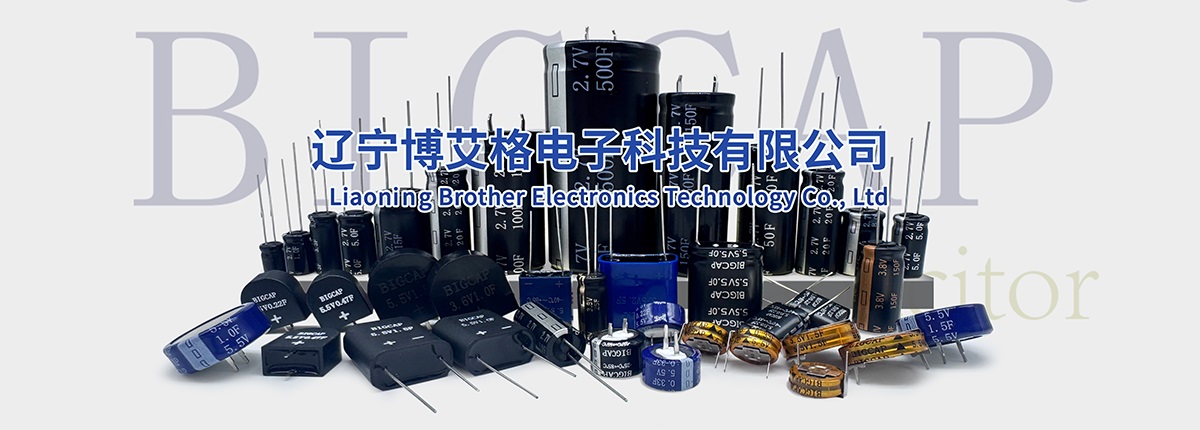

In the realm of industrial equipment, supercapacitors are increasingly being utilized in applications such as startup assistance, energy buffering, backup power supply, and energy harvesting. However, when faced with a diverse array of products featuring distinct models and widely varying parameters, selecting a supercapacitor that truly ensures the long-term, stable operation of industrial equipment has become a key priority for many procurement and engineering professionals.
1. First: Define the Actual Operating Conditions of the Industrial Equipment
Before selecting a supercapacitor, the first step is to clearly define the equipment's specific operating environment. For instance: Is there a requirement for high-frequency charging and discharging? Must the equipment operate continuously over extended periods in high-temperature, low-temperature, humidity environment or high-vibration environments? Is it essential for the equipment to maintain stable operation even during momentary power interruptions?
Different operating conditions place entirely different emphases on the performance requirements of a supercapacitor; only by clearly defining these application needs can one establish a solid basis for the subsequent selection process.
2. Core Parameters to Prioritize When Selecting for Industrial Equipment
In industrial applications, the following parameters are particularly critical:
Rated Voltage and Capacitance: These determine the energy storage capacity and the compatibility with the overall system.
Internal Resistance (ESR): The lower the internal resistance, the stronger the instantaneous discharge capability and the lower the heat generation.
Cycle Life: Industrial equipment typically demands a stable cycle life of several hundred thousand cycles or more.
Operating Temperature Range: This directly impacts the equipment's reliability when operating in complex or harsh environments.
Consistency and Stability: These factors are especially vital in batch applications, as they directly influence the overall lifespan of the entire system.
These specific metrics often serve as a more accurate reflection of a product's "industrial-grade" quality than mere capacitance or price alone.
3. The Distinction Between Industrial-Grade and Standard Supercapacitors
Supercapacitors are typically designed for consumer electronics or short-term applications, whereas industrial-grade products place a much greater emphasis on the following aspects during their design and manufacturing:
Reliability during prolonged, high-frequency operation;
Consistency in parameters and stability across production batches;
Lower internal resistance and a significantly longer service life.
For industrial equipment, selecting industrial-grade supercapacitors can effectively reduce future maintenance and replacement costs.
4. Why Do Industrial Applications Prefer Supercapacitors?
Compared to traditional batteries, supercapacitors offer distinct advantages such as rapid charging and discharging speeds, high safety levels, and a long service life. In industrial scenarios that demand rapid response times and frequent cycling, supercapacitors can significantly enhance both system stability and operational efficiency. Furthermore, supercapacitors can be flexibly integrated with batteries or other energy storage systems to meet a wide variety of diverse design requirements. V. Selecting a Reliable Supplier Is Equally Important
Beyond product specifications, a supplier's manufacturing capabilities and technical support are equally critical. A stable capacity for mass production, product quality that meets international standards, and professional support regarding product selection and application are all key considerations for industrial clients seeking long-term partnerships.
5.Conclusion
The key to selecting the appropriate supercapacitors for industrial equipment lies in clearly defining operating conditions, focusing on critical parameters, prioritizing industrial-grade solutions, and collaborating with suppliers possessing strong technical expertise. Proper product selection not only enhances equipment performance but also effectively reduces overall operating costs.